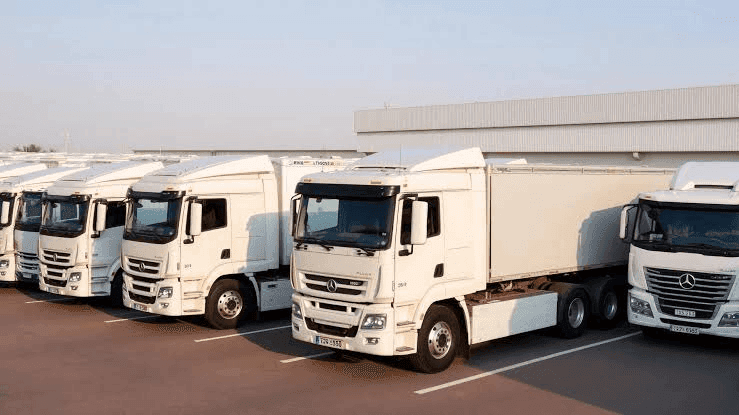
Managing a business fleet involves much more than simply purchasing vehicles. Whether you operate a logistics company, government agency, rental business, construction firm, or multinational corporation, choosing the right procurement strategy can significantly reduce operating costs, improve efficiency, and support long-term business growth.
Fleet procurement is the structured process of sourcing, evaluating, purchasing, financing, and delivering vehicles that meet an organization's operational needs. A well-planned fuel procurement process, combined with an effective automotive procurement process, enables businesses to control costs while ensuring every vehicle delivers maximum value throughout its lifecycle.
For organizations operating across multiple countries, fleet procurement also includes supplier evaluation, international logistics, regulatory compliance, financing, and after-sales support. Companies that adopt a strategic procurement model are better positioned to scale their fleets while maintaining operational efficiency.
At GMTI (Global Motor Trade International), we support B2B buyers worldwide through OEM-direct sourcing, international logistics, and tailored vehicle procurement solutions that simplify complex fleet purchasing across global markets.
What Is Fleet Procurement?
Fleet procurement is the strategic process of acquiring vehicles for commercial or organizational use. Unlike retail vehicle purchases, fleet procurement focuses on long-term value, operational performance, compliance, and total cost of ownership rather than simply obtaining the lowest purchase price.
The procurement process typically includes:
- Identifying operational requirements
- Selecting suitable vehicle types
- Comparing manufacturers and suppliers
- Negotiating pricing and commercial terms
- Managing vehicle financing
- Coordinating export and international logistics
- Ensuring regulatory compliance
- Delivering vehicles to the final destination
A successful fleet procurement strategy ensures businesses receive vehicles that align with operational objectives while reducing unnecessary expenses throughout the fleet's lifecycle.
Understanding the Fuel Procurement Process
The fuel procurement process is a critical component of fleet management because fuel represents one of the largest ongoing operating expenses for commercial fleets.
Rather than purchasing fuel on an ad hoc basis, organizations establish procurement strategies that optimize fuel sourcing, supplier agreements, fuel card programs, and consumption monitoring.
A structured fuel procurement process generally includes:
Assessing Fleet Requirements
Businesses first evaluate:
- Fleet size
- Vehicle utilization
- Average mileage
- Fuel consumption patterns
- Geographic operating regions
These insights help procurement teams forecast future fuel demand more accurately.
Supplier Evaluation
Organizations compare fuel suppliers based on:
- Pricing
- Geographic coverage
- Contract flexibility
- Reliability
- Digital reporting capabilities
- Payment terms
Selecting the right supplier improves operational consistency while helping reduce fuel costs.
Cost Management
Modern fuel procurement focuses on more than price alone. Procurement professionals also evaluate:
- Fuel efficiency
- Total operating costs
- Route optimization
- Fleet utilization
- Carbon reduction initiatives
When combined with intelligent fleet planning, these strategies can significantly improve long-term profitability.
How the Automotive Procurement Process Works
The automotive procurement process involves much more than ordering vehicles. It is a structured business function that ensures organizations acquire vehicles that support operational performance, regulatory compliance, and long-term cost efficiency.
Most procurement teams follow several key stages.
1. Business Needs Assessment
The first step is understanding operational requirements.
Procurement teams identify:
- Vehicle applications
- Payload capacity
- Passenger requirements
- Driving conditions
- Fleet expansion goals
- Regional compliance requirements
For example, a logistics company may require commercial vans, while an international NGO may need rugged SUVs capable of operating in remote environments.
2. Vehicle Specification
After identifying operational needs, procurement specialists define detailed specifications.
These may include:
- Engine type
- Fuel system
- Hybrid or electric options
- Transmission
- Safety technology
- Cargo capacity
- Right-hand or left-hand drive configuration
This stage ensures every purchased vehicle aligns with operational objectives instead of relying on standardized inventory.
3. Supplier Selection
Supplier evaluation is one of the most important phases of the procurement lifecycle.
Businesses compare suppliers based on:
- OEM relationships
- Global inventory access
- Delivery timelines
- Export capabilities
- Warranty coverage
- Financial stability
- International logistics experience
Working with an experienced global sourcing partner can simplify procurement while reducing supply chain risks.
For organizations purchasing vehicles across multiple markets, choosing a trusted procurement partner is often more valuable than negotiating with multiple regional suppliers independently.
4. Commercial Negotiation
Commercial negotiations cover far more than vehicle pricing.
Procurement teams also negotiate:
- Fleet discounts
- Bulk purchasing agreements
- Payment schedules
- Financing solutions
- Shipping arrangements
- Delivery schedules
- Warranty support
Well-structured negotiations help reduce procurement costs while improving purchasing flexibility.
5. Logistics and Delivery
Once vehicles are secured, procurement shifts toward logistics coordination.
This includes:
- Export documentation
- Customs clearance
- Shipping coordination
- Vehicle inspections
- Destination compliance
- Final delivery
International fleet procurement requires close coordination across manufacturers, logistics providers, customs authorities, and destination markets.
Businesses working with experienced global suppliers often experience fewer delays and greater visibility throughout the delivery process.
Why Fleet Procurement Matters
An effective procurement strategy provides long-term business advantages that extend well beyond vehicle acquisition.
Lower Operating Costs
Strategic sourcing helps businesses secure competitive pricing while minimizing ownership costs through better vehicle selection, improved fuel efficiency, and optimized maintenance planning.
Improved Operational Efficiency
Selecting vehicles that match operational requirements reduces downtime, improves driver productivity, and supports consistent service delivery.
Better Risk Management
Professional procurement teams evaluate supplier reliability, warranty support, compliance requirements, and logistics risks before making purchasing decisions.
This proactive approach minimizes unexpected disruptions across the supply chain.
Scalability
As businesses expand into new regions, fleet procurement strategies enable organizations to increase vehicle capacity without compromising quality or operational standards.
Global procurement partners can coordinate sourcing across multiple markets while maintaining consistent specifications and delivery schedules.
The Value of Bulk Purchasing Programs for Fleet Vehicles
Many growing organizations benefit from bulk purchasing programs for fleet vehicles, particularly when expanding operations or replacing aging fleets.
Bulk procurement often provides advantages such as:
- Lower per-unit acquisition costs
- Standardized vehicle specifications
- Simplified maintenance planning
- Faster fleet deployment
- Improved warranty management
- Consistent fleet branding
- Stronger supplier relationships
Rather than negotiating each purchase individually, organizations leverage larger purchasing volumes to secure better commercial terms and streamline procurement across multiple locations.
For companies managing regional or international fleets, bulk purchasing also simplifies inventory planning and long-term fleet replacement strategies.
Building an Effective Auto Procurement Strategy
A successful auto procurement strategy goes beyond purchasing vehicles at competitive prices. It aligns fleet investments with business objectives, operational requirements, and long-term growth plans. Organizations that take a strategic approach can reduce costs, improve efficiency, and strengthen supply chain resilience.
Prioritize Total Cost of Ownership (TCO)
Smart fleet procurement focuses on the total cost of ownership, not just the purchase price. Factors such as fuel consumption, maintenance costs, insurance, depreciation, resale value, and vehicle reliability all affect long-term operating expenses.
Evaluating TCO helps organizations make informed investment decisions that deliver greater value over the vehicle's lifecycle.
Develop Strong Supplier Relationships
Long-term partnerships with reliable suppliers provide greater consistency, improved pricing, and faster access to inventory. Businesses working with experienced procurement specialists can also benefit from flexible financing, global sourcing capabilities, and coordinated logistics.
Use Data to Drive Procurement Decisions
Modern procurement relies on data rather than assumptions. Fleet managers analyze vehicle utilization, maintenance history, operating costs, fuel efficiency, and replacement cycles to optimize purchasing decisions.
Data-driven procurement reduces waste while improving overall fleet performance.
Export Services for Multi-Category Vehicle Fleet Procurement
Organizations operating internationally often require different vehicle types for different regions. This makes export services for multi-category vehicle fleet procurement an essential part of the sourcing process.
Global procurement may involve:
- Passenger vehicles
- Commercial vans
- Pickup trucks
- SUVs
- Heavy-duty vehicles
- Electric vehicles
- Specialist and armoured vehicles
Managing multiple vehicle categories across several countries requires careful coordination between manufacturers, logistics providers, customs authorities, and local compliance teams.
An experienced procurement partner helps businesses simplify international sourcing while reducing administrative complexity.
Why Businesses Choose GMTI for Fleet Procurement
Global fleet procurement requires industry expertise, trusted supplier relationships, and dependable logistics. GMTI (Global Motor Trade International) supports B2B organizations with end-to-end vehicle sourcing solutions designed for international operations.
Businesses choose GMTI because of its ability to provide:
- OEM-direct vehicle sourcing
- Global procurement expertise
- Cross-border logistics coordination
- Flexible commercial terms
- Multi-market vehicle supply
- Export documentation support
- Fleet purchasing solutions for organizations of all sizes
Whether sourcing passenger vehicles, commercial fleets, or specialist vehicles, GMTI helps businesses simplify procurement while maintaining quality, transparency, and operational efficiency.
Organizations looking for dedicated fleet sourcing solutions can explore GMTI's Corporate Fleet Specialist services. Businesses requiring work-ready vehicles can also review the Commercial Vehicles offering, while companies sourcing passenger fleets can increase maintenance expenses, fuel consumption, and downtime. Procurement decisions should always consider total lifecycle costsManaging numerous suppliers often creates inconsistencies in pricing, delivery schedules, specifications, and after-sales support. benefit from the New & Used Cars solutions. For international operations, GMTI also supports both LHD & RHD Vehicles, helping organizations meet destination-market requirements with confidence.
Fleet procurement is no longer simply about purchasing vehicles—it is a strategic business function that directly influences operational efficiency, financial performance, and long-term scalability. A structured fuel procurement process, supported by a well-defined automotive procurement process, enables organizations to optimize costs, improve fleet performance, and build more resilient supply chains.
As businesses expand into new markets, procurement becomes increasingly complex. From sourcing the right vehicle specifications to managing international logistics and regulatory compliance, every decision plays a role in achieving successful fleet operations.
Frequently Asked Questions
What is fleet procurement?
Fleet procurement is the process of sourcing, purchasing, financing, and delivering vehicles for commercial organizations. It includes supplier selection, vehicle specification of their largest operating expenses by improving supplier selection, fuel purchasing strategies, consumption monitoring, and cost control, contract negotiation, logistics, and ongoing fleet planning.
Why is the fuel procurement process important?
The fuel procurement process helps businesses manage one of their largest operating expenses by improving supplier selection, fuel purchasing strategies, consumption monitoring, and cost control.
What is included in the automotive procurement process?
The automotive procurement process typically includes needs assessment, vehicle specification, supplier evaluation, commercial negotiations, financing, logistics, export coordination, and delivery.
What are the benefits of bulk purchasing programs for fleet vehicles?
Bulk purchasing programs often provide lower acquisition costs, standardized vehicle specifications, simplified maintenance planning, stronger supplier relationships, and faster fleet deployment.
How can businesses improve their auto procurement strategy?
Organizations can improve procurement by focusing on total cost of ownership, using operational data, building reliable supplier partnerships, planning for future growth, and working with experienced global procurement specialists.