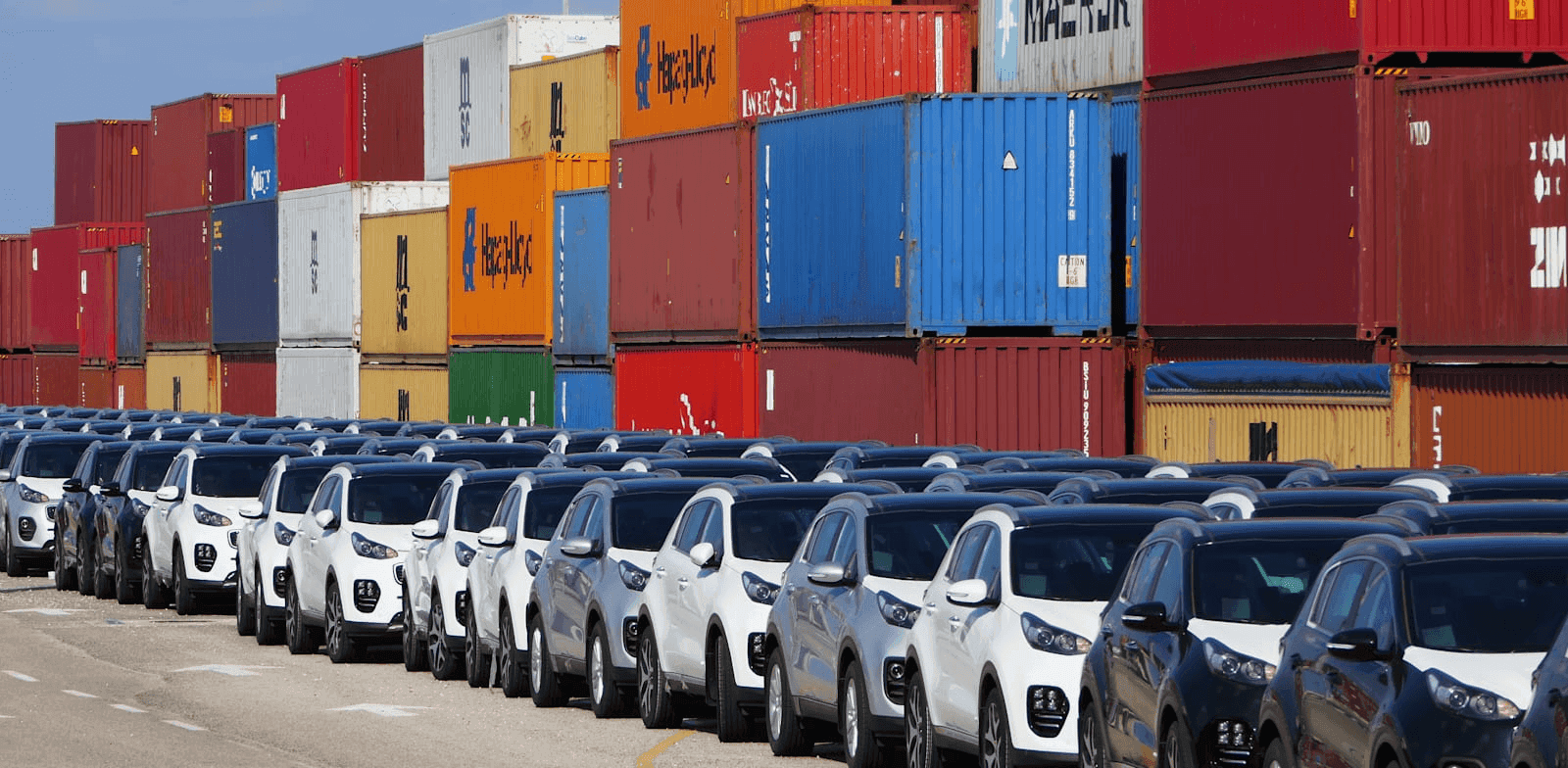
Importing vehicles across international markets can create valuable opportunities for dealerships, fleet operators, rental companies, government organizations, and professional resellers. However, the process requires careful planning, reliable suppliers, compliance knowledge, and efficient logistics management.
For businesses asking how do you import a car, the answer involves more than simply purchasing a vehicle from another country. A successful import requires vehicle sourcing, documentation, shipping coordination, customs compliance, and a trusted international automotive partner.
GMTI (Global Motor Trade International) helps global B2B buyers manage vehicle procurement through a worldwide network, OEM relationships, and automotive supply chain expertise. With experience across international markets, GMTI supports organizations looking for reliable vehicle import and export solutions.
Understanding the Vehicle Import Process
The vehicle import process begins with identifying the right vehicle based on business requirements, destination regulations, budget, and operational needs. Unlike individual purchases, B2B vehicle importing often involves multiple units, specific configurations, and long-term supply agreements.
Companies involved in vehicle import export operations usually need to consider:
- Vehicle availability and manufacturer specifications
- Import regulations in the destination country
- Shipping methods and delivery timelines
- Customs documentation
- Tax and duty requirements
- Vehicle inspection and compliance standards
Working with an experienced automotive supplier can simplify these stages and reduce potential delays.
How to Import Cars for Business Operations
Many businesses search for how to import cars because international sourcing can provide access to better pricing, wider vehicle selections, and specialized models unavailable in local markets.
The main steps include:
1. Define Your Vehicle Requirements
Before importing a vehicle, businesses should clearly define their requirements. This includes:
- Vehicle type and quantity
- New or pre-owned vehicles
- Engine specifications
- Fuel type
- Left-hand drive (LHD) or right-hand drive (RHD)
- Commercial or passenger requirements
For example, fleet operators may require multiple vehicles with consistent specifications, while specialist organizations may need customized or security-focused solutions.
GMTI supports businesses through tailored sourcing solutions, helping buyers identify suitable vehicles according to their market and operational requirements.
2. Find a Reliable International Vehicle Supplier
Choosing the right supplier is one of the most important parts of importing a foreign car. International buyers should work with companies that understand global procurement, manufacturer relationships, and export procedures.
A reliable supplier should provide:
- Verified vehicle sourcing
- Transparent trade processes
- Export documentation support
- Logistics coordination
- Professional communication
GMTI works with global buyers by connecting them with international vehicle supply channels and supporting complete procurement requirements.
Businesses looking for new and pre-owned vehicle options can explore GMTI’s new and used vehicle sourcing solutions.
Managing Documentation and Compliance Requirements
One of the biggest challenges when importing a vehicle is ensuring all documentation is complete and accurate.
Common documents may include:
- Commercial invoices
- Vehicle registration documents
- Export certificates
- Shipping documents
- Customs paperwork
- Compliance certificates
Every destination market has different requirements, which makes local knowledge and international experience essential.
For companies operating fleets across different regions, compliance becomes even more important. Vehicle specifications, safety standards, and registration requirements must match local regulations.
GMTI supports businesses with international vehicle sourcing strategies, including solutions for both left-hand drive and right-hand drive markets through its LHD and RHD vehicle services.
Shipping and International Logistics
A successful import depends on efficient transportation and logistics planning. International vehicle movement involves coordinating manufacturers, ports, freight providers, customs teams, and final delivery locations.
Key logistics considerations include:
- Selecting the correct shipping method
- Managing port procedures
- Tracking vehicle movement
- Coordinating customs clearance
- Planning final delivery
For businesses importing commercial vehicles, logistics efficiency directly impacts operational costs and delivery schedules.
GMTI provides global automotive logistics support, helping organizations source and distribute vehicles across international markets.
Companies requiring larger-scale transportation solutions can benefit from GMTI’s commercial vehicle sourcing expertise.
Importing Vehicles for Fleet and Corporate Requirements
Fleet procurement is different from standard vehicle purchasing. Businesses need dependable supply, consistent specifications, and long-term support.
Organizations such as:
- Corporate fleets
- Rental companies
- Distribution businesses
- NGOs
- Government-related organizations
- Professional vehicle resellers
often require customized sourcing strategies.
A specialized fleet partner can help businesses manage vehicle availability, replacement cycles, and international procurement.
GMTI works as a corporate fleet specialist, providing businesses with structured vehicle sourcing solutions designed for large-scale requirements.
Learn more about GMTI’s corporate fleet solutions.
The Role of OEM Direct Supply in Vehicle Import
OEM direct supply can provide businesses with better access to vehicles, improved sourcing reliability, and competitive purchasing opportunities.
Working through established manufacturer relationships helps reduce uncertainty in international procurement.
GMTI’s global network includes connections across multiple automotive markets, allowing businesses to access vehicles from different regions while maintaining professional trade standards.
This approach is especially valuable for companies involved in the import and export car business, where consistency and reliability are essential.
Challenges Businesses Face When Importing Foreign Vehicles
Although international vehicle sourcing provides many benefits, businesses may face challenges such as:
- Changing import regulations
- Unexpected customs requirements
- Shipping delays
- Currency fluctuations
- Vehicle specification differences
- Limited supplier transparency
Partnering with an experienced automotive company helps reduce these risks.
GMTI combines industry knowledge, international sourcing capability, and logistics coordination to create smoother vehicle import experiences for global B2B buyers.
For organizations requiring specialized transportation solutions, GMTI also provides specialist and armoured vehicle sourcing.
Why Choose GMTI for Vehicle Import Export Solutions?
GMTI (Global Motor Trade International) was built by automotive professionals with combined experience across OEM supply, finance, procurement, export, and logistics.
The company supports global buyers through:
- International vehicle sourcing
- Fleet procurement
- OEM direct supply
- Commercial vehicle solutions
- Electric vehicle procurement
- Cross-border automotive logistics
With operations and partnerships across regions including the USA, Europe, Dubai, and China, GMTI helps businesses find practical solutions for international vehicle requirements.
Companies exploring sustainable fleet options can also access GMTI’s electric vehicle procurement services.
Conclusion
Understanding how do you import a car is essential for businesses looking to expand their vehicle sourcing capabilities internationally. From selecting the right supplier to managing compliance and logistics, every stage requires professional planning.
GMTI provides global B2B buyers with automotive sourcing expertise, international supply networks, and complete vehicle import export solutions. Whether you need fleet vehicles, commercial transportation, electric vehicles, or specialized models, GMTI helps businesses connect with reliable automotive opportunities worldwide.
Frequently Asked Questions About Importing Cars
How do you import a car internationally?
To import a car internationally, businesses typically need to select a supplier, confirm vehicle specifications, complete export documentation, arrange shipping, manage customs procedures, and complete local registration requirements.
How long does it take to import a vehicle?
The timeline depends on the vehicle source country, shipping method, customs process, and destination regulations. Professional suppliers can help streamline the process.
Can businesses import multiple vehicles at once?
Yes. Many international suppliers specialize in bulk vehicle procurement for dealerships, fleet operators, and organizations requiring multiple units.
What is the difference between buying locally and importing a foreign car?
Importing a foreign car can provide access to wider vehicle choices, specific configurations, and international pricing opportunities. However, it requires proper compliance and logistics management.