The automotive industry has become truly global, allowing businesses and organizations to source vehicles from international markets based on availability, pricing, specifications, and operational requirements. Whether companies need passenger cars, commercial vehicles, fleet units, or specialist vehicles, understanding the process of exporting cars is essential for smooth international transactions.
An efficient vehicle export process involves multiple stages, including vehicle sourcing, documentation, compliance checks, logistics planning, customs procedures, and final delivery. Companies involved in the import and export car business must manage every step carefully to ensure vehicles reach their destination safely and legally.
GMTI (Global Motor Trade International) supports businesses worldwide with professional vehicle sourcing, automotive supply chain solutions, and international vehicle export services. With experience across multiple markets, GMTI helps B2B buyers access reliable vehicles while simplifying complex cross-border processes.
What Is International Vehicle Export?
International vehicle export refers to the process of purchasing vehicles from one country and transporting them to another country for commercial or operational use. This process is commonly used by vehicle distributors, fleet operators, rental companies, government organizations, NGOs, and professional automotive buyers.
Unlike local vehicle purchases, international vehicle export requires additional planning. Buyers must consider vehicle availability, export regulations, transportation methods, import requirements, taxes, customs clearance, and destination-market standards.
A successful export transaction depends on coordination between manufacturers, suppliers, exporters, logistics providers, customs agents, and buyersThe first step in the vehicle export process is understanding.
Step 1: Identifying the Right Vehicle Requirements
The first step in the vehicle export process is understanding the buyer’s exact requirements. Businesses need to define the type of vehicle, quantity, specifications, budget, and destination regulations.
For example, a company expanding its transportation operations may require:
- Commercial vehicles for logistics and transportation
- Passenger cars for corporate fleets
- Electric vehicles for sustainable mobility programs
- Specialist vehicles for security or operational purposes
- Left-hand drive (LHD) or right-hand drive (RHD) vehicles depending on regional requirements
GMTI works with international buyers to identify suitable vehicles through its global sourcing network. This approach helps organizations find the right vehicles instead of limiting options to a single market.
Step 2: Vehicle Sourcing and Supplier Verification
After requirements are confirmed, the next stage involves sourcing vehicles from trusted suppliers, manufacturers, dealerships, or authorized networks.
A professional exporter evaluates:
- Vehicle condition and specifications
- Manufacturer details
- Production year
- Market availability
- Compliance standards
- Supply reliability
For companies building large fleets, working with an experienced automotive supplier reduces risks related to availability, quality control, and delivery timelines.
GMTI provides access to new and pre-owned vehicles sourced through international networks, helping businesses secure vehicles that match their operational goals.
Step 3: Checking Export and Import Regulations
One of the most important parts of how to export a vehicle is understanding legal requirements in both the exporting and importing countries.
Every country has different rules regarding:
- Vehicle registration requirements
- Safety standards
- Emission regulations
- Import duties and taxes
- Required certificates
- Customs documentation
A vehicle that is suitable in one country may require modifications or additional approvals before entering another market.
Professional exporters manage compliance requirements earlyDocumentation is a critical part of international vehicle export. to prevent delays during shipping and customs clearance.
Step 4: Preparing Vehicle Export Documentation
Documentation is a critical part of international vehicle export. Missing or incorrect paperwork can delay shipments and increase costs.
Common export documents include:
- Commercial invoice
- Vehicle purchase agreement
- Export certificate
- Bill of lading
- Customs declarations
- Certificate of origin
- Inspection reports
- Shipping documents
For B2B buyers, accurate documentation creates transparency and helps maintain smooth communication between all parties involved.
GMTI focuses on structured export coordination, helping buyers manage documentation requirements throughout the transaction.
Step 5: Choosing the Right Shipping Method
After documentation is completed, the vehicle is prepared for international transportation. The shipping method depends on vehicle type, destination, budget, and delivery requirements.
Common transportation options include:
Roll-On/Roll-Off (RoRo) Shipping
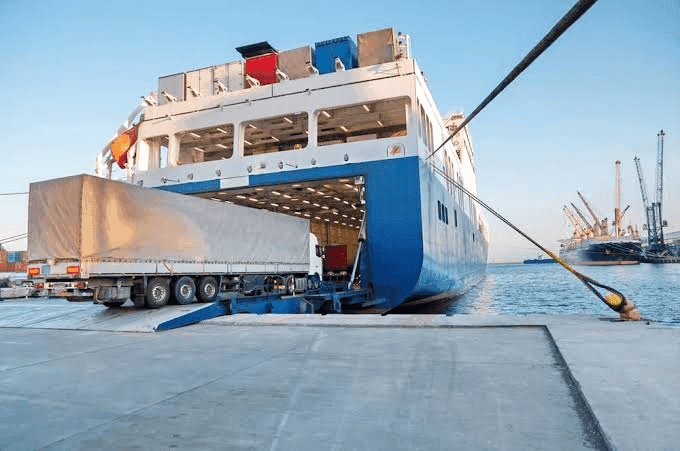
RoRo shipping is widely used for transporting multiple vehicles. Vehicles are driven onto specialized vessels and secured for international transportation.
Container Shipping
Container shipping provides additional protection and is often used for premium vehicles, specialist vehicles, or shipments requiring extra security.
Air Freight
Air transportation is faster but usually reserved for urgent or high-value vehicle movements due to higher costs.
Choosing the correct logistics solution helps businesses balance speed, safety, and budget.
Step 6: Customs Clearance and Destination Delivery
Once the vehicle arrives at the destination port, customs clearance begins. Import authorities review documentation, calculate applicable duties, and verify compliance with local regulations.
The final delivery process may include:
- Customs inspection
- Tax and duty payments
- Vehicle registration procedures
- Transportation from port to final location
A reliable export partner helps buyers avoid unnecessary delays by preparing documentation and logistics plans before shipment.
Benefits of Working With an Experienced Vehicle Export Partner
International vehicle transactions involve multiple moving parts. Working with a professional partner provides several advantages:
Global Vehicle Access
Experienced exporters have connections with suppliers across different markets, allowing buyers to access a wider range of vehicles.
Simplified Procurement
Businesses can streamline purchasing through a single trusted partner instead of managing multiple suppliers.
Better Supply Chain Management
Professional exporters understand logistics, documentation, and compliance requirements, reducing operational challenges.
Support for Fleet Expansion
Organizations requiring multiple vehicles benefit from structured fleet procurement solutions designed for long-term growth.
GMTI’s Role in Global Vehicle Export
GMTI is a global automotive solutions provider specializing in international vehicle sourcing, fleet procurement, commercial vehicles, and cross-border automotive trade.
Through its worldwide network, GMTI supports organizations looking for dependable vehicle supply solutions. From new and used cars to specialist vehicles and commercial fleets, GMTI helps businesses manage complex international requirements.
The company’s expertise includes:
- Vehicle trade
- Fleet management solutions
- Logistics and export coordination
- OEM direct supply
- Cross-border vehicle sales
- Finance solutions
With strategic locations and global partnerships, GMTI helps businesses connect with international vehicle markets efficiently.
Final Thoughts
The process of exporting cars requires careful planning, industry knowledge, and reliable international coordination. From vehicle sourcing to final delivery, every stage plays an important role in successful cross-border transportation.
Businesses involved in the vehicle import/export industry need trusted partners who understand global markets, compliance requirements, and automotive logistics.
GMTI provides professional solutions for organizations looking for reliable international vehicle export services, helping businesses source vehicles efficiently and build stronger automotive supply chains worldwide.
FAQS
How does international vehicle export work?
International vehicle export involves sourcing a vehicle, completing documentation, meeting compliance requirements, arranging shipping, clearing customs, and delivering the vehicle to the destination country.
What types of vehicles can be exported?
Vehicles commonly exported include passenger cars, commercial vehicles, fleet vehicles, electric vehicles, luxury vehicles, and specialist vehicles.
Is vehicle export only for large companies?
While many exporters work with fleet operators and businesses, professional vehicle export services can support different types of international buyers depending on requirements.
How long does the vehicle export process take?
The timeline depends on vehicle availability, documentation, shipping method, customs procedures, and destination regulations.